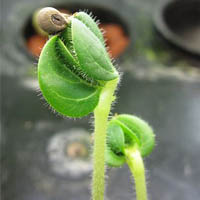
While many see conventional gardening as a pleasant past time, others see it as an expensive hassle. After all the weeding, tilling, pest control, buying expensive soil, and other duties, oftentimes the results are still disappointing. However, if you still wish you could garden without the fuss, hydroponics is an ideal solution for you.
If you’ve never used a hydroponics garden, you are truly missing out. Learning how to hydroponics isn’t difficult. It simply takes the right supplies and a bit of patience. In the long run, it’s significantly easier than running a conventional garden.
When it comes to learning how to hydroponics, first you should learn the many different techniques available. Essentially, rather than putting the plant in soil, hydroponics gardeners immerse the roots directly into a highly nutrient rich solution. This allows the plant to absorb everything it needs directly, thus allowing it to grow faster and give better results.
There are several ways to learn how to hydroponics, however. Some grow their plants out of small vats, buckets, bins, or other containers filled with standing water. Others keep their plants’ roots immersed in a constantly running stream of nutrient-rich water. There are even gardeners who prefer to lightly mist their plants. If the idea of gardening without some sort of solid base seems too strange to you, there are other materials you can use that are great alternatives to soil, such as foam, clay pellets, sand, bark chips, and more.
If you’re just learning how to hydroponics, it may seem like a lot of work. After all, along with ensuring that the pH balance is correct and that the air isn’t too humid. Fortunately, there are products that can help you. For example, using simple pH testing sticks can help determine if the acidity content in your plants is too high or too low. There are special stabilizing solutions that help bring your plants’ acidity back to normal as well.
As for learning how to keep the air from becoming too damp, this is a simple matter of installing a humidifier and a few fans or an air conditioning unit. The air circulation is better for the plants, for one, as it allows them to convert carbon monoxide to oxygen quickly. It also helps prevent the growth of bacteria and keeps your plants from rotting or wilting.
Learning how to hydroponics is an immensely rewarding experience. By following these tips, soon you can enjoy your own thriving garden. Learn more today about how hydroponics can help you!