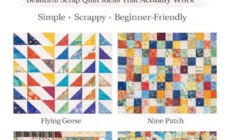
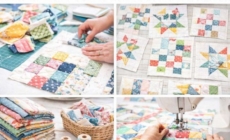
This is a fun way to make new ‘yardage’ by Scrap Fabric Love. She shows you how to make yardage from one color from irregularly shaped quilting scraps.
Using scraps for quilting is a fun and creative way to make new yardage of all one color from irregularly shaped pieces of fabric. This not only helps you use up those leftover scraps, but it also saves you money and adds an interesting texture and color variation to your projects. Whether you’re a seasoned quilter or just starting out, incorporating scraps into your quilting projects can be a great way to add a personal touch to your creations.
One fun way to use scraps for quilting is to create new yardage of all one color. To do this, simply gather all your scraps of a similar color and sew them together. You can sew the scraps together in a random fashion, or you can arrange them in a pattern to create a unique, scrappy look. Once your scraps are sewn together, you can then use the resulting fabric to create a quilt block, zipper pouch, tote bag, or any other quilting project you can imagine.
When using scraps for quilting, it’s important to prewash the fabric to prevent shrinkage and to ensure that all the colors are colorfast. You may also want to press the scraps to remove any wrinkles before sewing them together. When arranging the scraps, consider the scale and placement of each piece to create a harmonious and balanced look.
If you’re new to quilting with scraps, it can be helpful to start with a simple project like a zipper pouch or tote bag. These smaller projects are a great way to get your feet wet and build your confidence before diving into a larger project like a quilt. Additionally, when working with scraps, it’s a good idea to have a plan for how you want to use the scraps before you start sewing. This will help you avoid waste and ensure that you have enough scraps to complete your project.
About the Author
admin
This is a website that that is passionate about all things hand crafted, including hang made scarves, fishing, and gardening, scrapbooking, and even woodworking.
We have some handy advice and tips, you can read.
Used to monitor number of Google Analytics server requests
10 minutes
__utmb
Used to distinguish new sessions and visits. This cookie is set when the GA.js javascript library is loaded and there is no existing __utmb cookie. The cookie is updated every time data is sent to the Google Analytics server.
30 minutes after last activity
__utmc
Used only with old Urchin versions of Google Analytics and not with GA.js. Was used to distinguish between new sessions and visits at the end of a session.
End of session (browser)
__utmz
Contains information about the traffic source or campaign that directed user to the website. The cookie is set when the GA.js javascript is loaded and updated when data is sent to the Google Anaytics server
6 months after last activity
__utmv
Contains custom information set by the web developer via the _setCustomVar method in Google Analytics. This cookie is updated every time new data is sent to the Google Analytics server.
2 years after last activity
__utmx
Used to determine whether a user is included in an A / B or Multivariate test.
18 months
_ga
ID used to identify users
2 years
_gali
Used by Google Analytics to determine which links on a page are being clicked
30 seconds
_ga_
ID used to identify users
2 years
_gid
ID used to identify users for 24 hours after last activity
24 hours
_gat
Used to monitor number of Google Analytics server requests when using Google Tag Manager
1 minute
_gac_
Contains information related to marketing campaigns of the user. These are shared with Google AdWords / Google Ads when the Google Ads and Google Analytics accounts are linked together.